LIVE Feed
Trending: ai • anthropic • stocks • economy • china • trading • ipo • bonds • revenue • politics
Goldman Sachs: “We are starting to see clearer signs that the AI impact is spreading beyond the technology sector.… the share of US firms that have adopted AI in regular business functions now shows a statistically significant negative correlation with employment growth”
Source: Carl Quintanilla (X), quoting Goldman Sachs

Palestinian shot by Israeli forces in the occupied West Bank
 +1
+1
Anthropic's effect on hardware stocks
Source: Charles-Henry Monchau (X)

Credit default swaps on French government bonds
Source: Alex v. Frankenberg (X)

Anthropic ARR went vertical in October after they cut token prices
Source: GavinSBaker (X)
 +2
+2
Just 380 km from Moscow, Ukraine has hit the Energy plant in Yelets. It is Russia's only factory plant that makes the batteries needed for its advanced missiles.
Source: AzPetrich (X)

DeepSeek V4.1 Flash is now available in Cursor - Every effort level sits on the CursorBench cost frontier: from $0.60 to $0.98 per task; no model scores higher
Source: Cursor (X)

Global rankings in manufacturing capacity across key industries - China and India are leaders in most of them
Source: ShashankUdupa1 (X)

Can’t Afford a Home. Can’t Afford a Baby. Can’t Afford Life. This Is 30. They’re trying to build middle-class lives in New York. But many 30-year-olds in the city feel worse off than their parents. Is it average adult angst? Or something more enduring?
Note: Excerpted from the original article: Can’t Afford a Home. Can’t Afford a Baby. Can’t Afford Life. This Is 30.
A young woman in Queens celebrated her 30th birthday with cake, champagne — and an existential crisis over still living paycheck to paycheck. A 30-year-old in Manhattan felt ready to consider marriage, but knew he couldn’t afford a wedding.
And in Brooklyn, a couple, at 32, confronted a generational conundrum: stay in their hometown as their parents age? Or move away to start a family? Forget the kids.
The 30-somethings are not all right. “Everyone I know around my age is feeling the weight of the burdens of this economy and what it takes to live a nice, comfortable middle-class life,” said Dan Iammatteo, 31, a marketing director in the Bedford-Stuyvesant neighborhood of Brooklyn.
And their angst is intensifying. People in their early 30s constitute the largest age cohort in the United States, and their frustrations have emerged as a potent force reshaping cities and their politics and demographics.

Data Streams
Explore our latest AI-powered streamed conversations.
1st-stream
My daily work here at Gnosly and other projects
 Sm0ke @ Gnosly
USA Iran Mideast Escalation
Real-time tracking of Iran, Israel, and US military postures, regional strikes, and strategic alerts
Sm0ke @ Gnosly
Trump
Real-time tracking of executive orders, official statements, Truth Social updates, and policy moves
Sm0ke @ Gnosly
Blog
Access the latest blog articles.

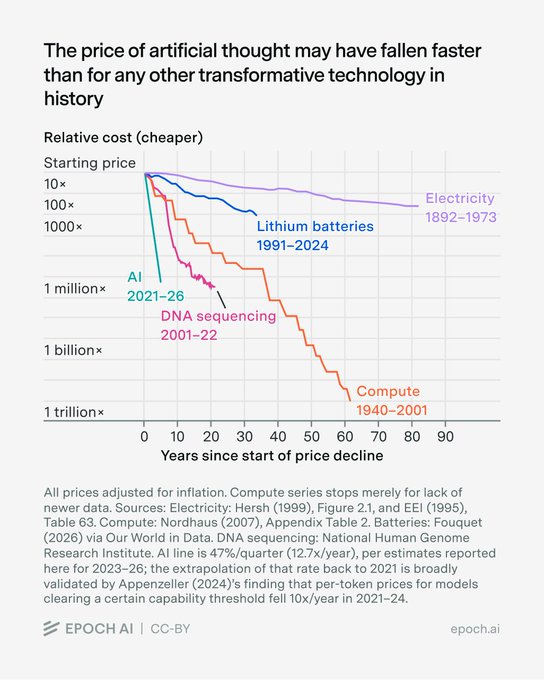
Gnosly Live Signals | AI is getting cheaper
At a given level of performance, cost has fallen ~47%/quarter since 2023.
Sm0ke @ Gnosly
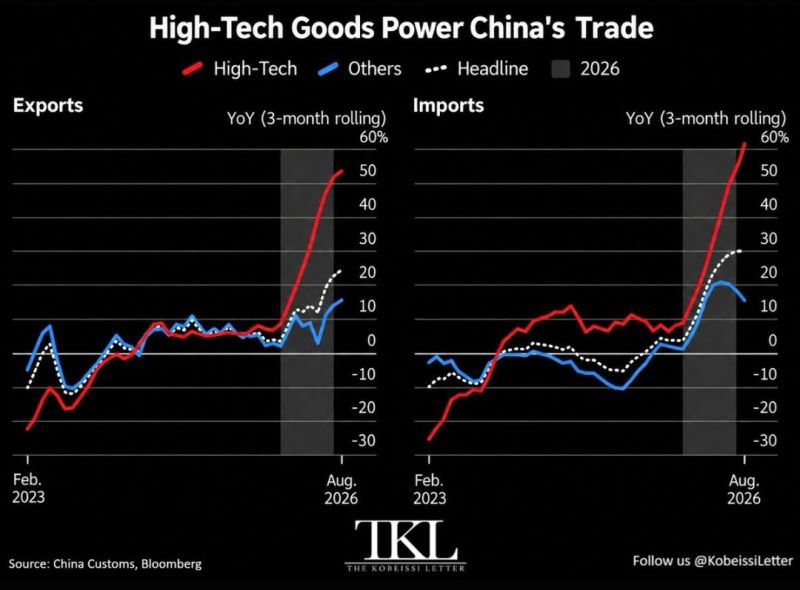
Gnosly Live Signals - China is seeing a historic boom in exports due to AI.
China outsmarts the world - Source The Kobeissi Letter
Sm0ke @ Gnosly